History of Valencia, Spain
Valencian history is not full of world-changing events. However, over 2000 years of history in this city make up for a fascinating story with its dramatic ups and downs, spectrum of cultures and, most importantly, plenty of marks on the streets for you to see(138 BC - 304 AD) - The Roman Foundations
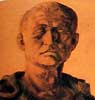 Founded
in 138 BC by retired Roman soldiers, Valencia grew into a large
and lively centre of Roman culture in the Iberian peninsula, reaching
its height in the 2nd century AD.
Founded
in 138 BC by retired Roman soldiers, Valencia grew into a large
and lively centre of Roman culture in the Iberian peninsula, reaching
its height in the 2nd century AD.
(304 - 711 AD) - Political Christianity and the Visigoths
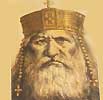 Christianity
comes to Valencia with a dramatic martyrdom of San Vicente Martir
and takes political control of the Roman Senate. After the collapse
of the Roman Empire, Valencia becomes a Visigoth territory and goes
itno decline.
Christianity
comes to Valencia with a dramatic martyrdom of San Vicente Martir
and takes political control of the Roman Senate. After the collapse
of the Roman Empire, Valencia becomes a Visigoth territory and goes
itno decline.
(711- 1238) - Islamic Conquest and Rule
 Valencia
is consumed by the Muslim expansion and becomes a flourishing part
of the Muslim Empire for 5 centuries, with an explosion in agriculture,
sciences and arts.
Valencia
is consumed by the Muslim expansion and becomes a flourishing part
of the Muslim Empire for 5 centuries, with an explosion in agriculture,
sciences and arts.
(1094 - 1238) - El Cid and Re-conquest by the Muslims
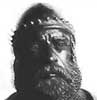 In
1094 the notorius El Cid conquered Valencia and created an emphemeral
Crusader kingdom which lasted for 8 years until the arrival of the
Almoravid Muslim army. Valencia once again became Muslim for another
century.
In
1094 the notorius El Cid conquered Valencia and created an emphemeral
Crusader kingdom which lasted for 8 years until the arrival of the
Almoravid Muslim army. Valencia once again became Muslim for another
century.
13th century - The Christian Reconquista
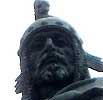 At
the height of Spanish Re-conquista, King Jaime I of Aragon expels
the Muslims from Valencia forever, creating an independent Valencia
Kingdom. Christian history of Valencia commences once again.
At
the height of Spanish Re-conquista, King Jaime I of Aragon expels
the Muslims from Valencia forever, creating an independent Valencia
Kingdom. Christian history of Valencia commences once again.
14th -15th centuries - The Golden Age of Valencia
 Valencia
became a New World for the Spanish colonists and blossomed with
the rise of the bourgeois class. By the end of the 15th century
Valencia entered its Golden Age of prosperity when it was one of
the most populous, dynamic, rich and cultural cities of Europe.
Valencia
became a New World for the Spanish colonists and blossomed with
the rise of the bourgeois class. By the end of the 15th century
Valencia entered its Golden Age of prosperity when it was one of
the most populous, dynamic, rich and cultural cities of Europe.
16th - 17th centuries - The Dark Age of Valencia
 The
Rennaisance in Valencia came hand-in-hand with Counter-Reformation
and the exaggerated Catholicism led to religious hysteria and expulsion
of the Muslims. Valencia was crippled economically and ravaged by
plagues.
The
Rennaisance in Valencia came hand-in-hand with Counter-Reformation
and the exaggerated Catholicism led to religious hysteria and expulsion
of the Muslims. Valencia was crippled economically and ravaged by
plagues.
18th century - War of Succession and "Enlightened Despotism"
 With
the coming of the Bourbons in the War of Succession, Valencia was
stripped of autonomy and subjected to despotic centralised rule.
It was also the Age of Enlightenment and Valencia was on the forefront
of new ideas, as well as a lively economic player due to silk trade.
With
the coming of the Bourbons in the War of Succession, Valencia was
stripped of autonomy and subjected to despotic centralised rule.
It was also the Age of Enlightenment and Valencia was on the forefront
of new ideas, as well as a lively economic player due to silk trade.
(1808 - 1868) - Napoleonic Invasion and Reactionary Absolutism
 Valencia
held out against French troops almost until the end of Napoleon's
Spanish Campaign. After the war, Fernando VII reversed to reactionary
absolutism, repressing liberal movements. At the same time, Valencia's
silk economy went into decline.
Valencia
held out against French troops almost until the end of Napoleon's
Spanish Campaign. After the war, Fernando VII reversed to reactionary
absolutism, repressing liberal movements. At the same time, Valencia's
silk economy went into decline.
(1868 - 1898) - Industrialisation, and the First Republic
 Folloing
the Gloria Revolution of 1868, Spanish First Republic was born,
until the restoration of the monarchy in 1974. Valencia's move to
declare itself an autonomous Canton was supressed with force. Over
this half of the century Valencia successfully industrialised and
expanded, springing a range of social movements.
Folloing
the Gloria Revolution of 1868, Spanish First Republic was born,
until the restoration of the monarchy in 1974. Valencia's move to
declare itself an autonomous Canton was supressed with force. Over
this half of the century Valencia successfully industrialised and
expanded, springing a range of social movements.
(1898 - 1975) - Turmoil, Civil War and the Franco Regime
 Throughout
the political turmoil and benign dictatorship of the first third
of XX century, Valencia remained on a moderate left as a cosmopolitan
cauldron of social movements. Once the Civil War broke out Valencia
became the capital of the Republic (left) until it ended the war
with its capitulation to General Franco (right) in 1939. After a
period of economic hardship, Franco turned Valencia into the agricultural
powerhorse of Spain.
Throughout
the political turmoil and benign dictatorship of the first third
of XX century, Valencia remained on a moderate left as a cosmopolitan
cauldron of social movements. Once the Civil War broke out Valencia
became the capital of the Republic (left) until it ended the war
with its capitulation to General Franco (right) in 1939. After a
period of economic hardship, Franco turned Valencia into the agricultural
powerhorse of Spain.
(1975 - today) - Democracy, Autonomy and XXI Century
 Following
the death of Franco and restoration of democracy, Valencia resisted
annexation to Catalunia and received autonomous status as the capital
of Comunidad Valenciana. In the last decade Valencia has undergone
an explosive phase of rapid development and economic growth, as
well as becoming a new tourist destination.
Following
the death of Franco and restoration of democracy, Valencia resisted
annexation to Catalunia and received autonomous status as the capital
of Comunidad Valenciana. In the last decade Valencia has undergone
an explosive phase of rapid development and economic growth, as
well as becoming a new tourist destination.