Flamenco in Valencia
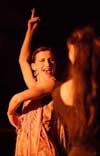 Flamenco is not exactly a Valencian discovery, and it is very much an
import here, with no roots in Valencian culture - flamenco comes from
Andalusia in Southern Spain. However, Valencia is a part of Spain and,
as anywhere else in Spain, flamenco is quite popular. You will hear it
in car stereos, in shops on the background, in bars and cafes. You can
also hear it spontaneously on the streets, especially in the maritime
district which has a substantial population of gitanos (gypsies). In the
summer there may well be flamenco jams on the beach front.
Flamenco is not exactly a Valencian discovery, and it is very much an
import here, with no roots in Valencian culture - flamenco comes from
Andalusia in Southern Spain. However, Valencia is a part of Spain and,
as anywhere else in Spain, flamenco is quite popular. You will hear it
in car stereos, in shops on the background, in bars and cafes. You can
also hear it spontaneously on the streets, especially in the maritime
district which has a substantial population of gitanos (gypsies). In the
summer there may well be flamenco jams on the beach front.
In terms of watching an organised flamenco show, however, there are only a few places in Valencia. And although the performers are usually genuine gitanos, it is still no secret that the ambience in those places is not the natural flamenco environment.
Places to see flamenco in Valencia:
Radio City - Flamenco in Valencia
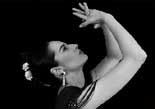
19 Santa Teresa
Tuesday, 11pm - 1am
 website
La Claca - Flamenco in Valencia
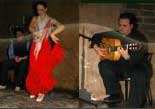
3 San Vicente
Sunday, 8.30pm - 10pm
website
Cafe del Duende - Flamenco in Valencia

62 Turia
Thu + Fri, 11.30pm - 1am
website
El Toro y La Luna - Flamenco in Valencia 13 Pz Mestre Ripoll
Wed-Sat, 12am - 3am
website
Other places to catch an occasional flamenco:
There are a few other places that have a flamenco performance every now and again. It is nothing regular, so you will have to call the venues to inquire. In fact, staging flamenco is becoming more and more popular in Valencia, so we hope this list will grow.
Bodeguita Cavallers - Tapas Bar in Valencia 23 Caballeros
La Linterna Jazz Cafe - Bar in Valencia Go To
Palau de la Musica - Concert Hall in Valencia Go To
IVAM - Modern Art Museum in Valencia Go To
Museo de Bellas Artes - Art Museum in Valencia Go To
About Flamenco
Flamenco originated in Andalusia, some say from the local folk music, some say from the musical efforts of the Andalusian gitanos (gypsies). It was most likely both. The easiest way to describe flamenco would be a blend of Spanish guitar and Arabic-influenced singing.
Flamenco is usually performed by at least 2 or 3 persons. There will be someone playing the guitar (or a few) and someone singing. Often, there could also be someone dancing, usually in a traditional flamenco costume. Plus plenty of percussion coming from just about anywhere - from proper musical tools to finger-snapping, tongue-clicking, claps and even knuckle-banging.